

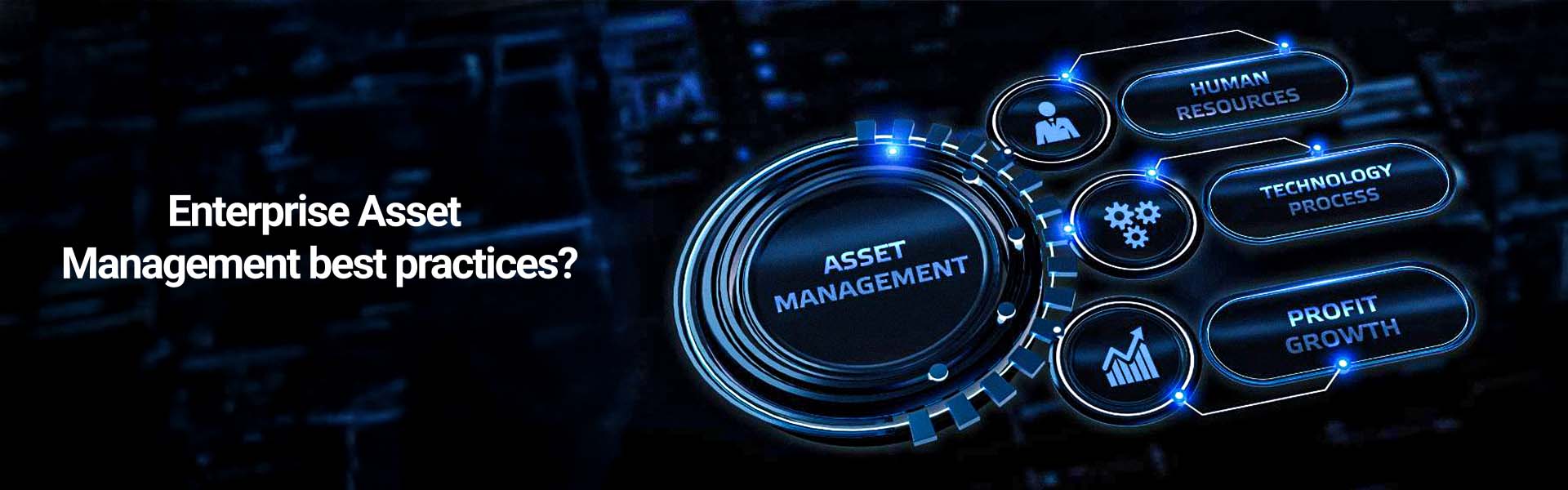
With an immense number of assets that an enterprise owns, managing and keeping track of each of them can be a big challenge. According to a 2024 report by ARC Advisory Group, unplanned downtime costs industrial companies an average of $260,000 per hour, and poor asset management is a leading cause. By implementing an EAM strategy, businesses can derive the best value from their operations by gaining better control over their equipment, machinery, and technology—reducing downtime, cutting maintenance costs, and extending asset lifespan.
تتساءل عن كيفية؟ تابع القراءة بينما نناقش إدارة أصول المؤسسة بالتفصيل، مع معالجة بعض الأسئلة المتداولة في هذا المجال.
ما هي إدارة أصول المؤسسة (EAM)؟
Enterprise Asset Management (EAM) is the process of tracking, maintaining, and optimizing an organization’s physical assets – such as machinery, vehicles, equipment, and infrastructure – throughout their entire lifecycle to maximize value, minimize risk, and ensure operational efficiency.
EAM uses software, tools, and processes to reduce downtime, improve productivity, control costs, and enhance overall business efficiency.
تشمل الجوانب الرئيسية:
- إدارة دورة حياة الأصول
- تخطيط الصيانة وتنفيذها
- تتبع حركة الأصول
- تحسين التكلفة والأداء
Enterprise Asset Management Benefits
Implementing EAM delivers measurable advantages for UAE enterprises:
- Reduced Downtime: Predictive and preventive maintenance cut unplanned outages by 30–50%.
- Lower Maintenance Costs: Automated scheduling and spare parts optimization reduce emergency repair expenses by 20–30%.
- Extended Asset Lifespan: Proper lifecycle management extends equipment life by 15–25%.
- Improved Compliance: Automated audit trails and reporting ensure adherence to ISO 55000, DORA, and UAE regulations.
- Better Resource Utilization: Real-time tracking reveals underutilized assets, enabling redeployment and cost savings.
- Enhanced Decision-Making: Dashboards and analytics provide actionable insights for procurement, budgeting, and risk management.
كيف تعمل إدارة أصول المؤسسة؟
منذ أن, حلول تتبع الأصول وإدارة، يعتمدان على السحابة، ويتم تخزين البرامج والبيانات عبر الإنترنت، تمامًا مثل أي برنامج سحابي آخر، مثل Google Drive. يتيح لك هذا ببساطة تسجيل الدخول إلى برنامجك والوصول إلى المعلومات المطلوبة في الوقت الفعلي. لنفهم كيف يعمل.
جمع البيانات وتخزينها
يتم تخزين معلومات الأصول المختلفة، مثل الموقع والاستخدام وتاريخ الصيانة والحالة، عبر الإنترنت في مكان مركزي واحد، وهو السحابة.
لماذا يهم الأمر:
- تحصل على التحكم في الوصول المستند إلى السحابة في أي وقت، من أي مكان.
- يمكن للجميع على النظام الذين لديهم وصول إلى المعلومات رؤية نفس المعلومات المحدثة.
- باستخدام أدوات التحليل، يمكنك معرفة الأصول التي تعمل بشكل جيد والأصول التي تحتاج إلى اهتمام.
مثال
بدلاً من البحث في المجلدات لمعرفة متى تم صيانة الجهاز آخر مرة، يمكنك التحقق من النظام السحابي في ثوانٍ.
تطوير الاستراتيجية
بمجرد حصولك على البيانات المطلوبة، يمكنك استخدام أدوات ذكية مثل الذكاء الاصطناعي والتحليلات التنبؤية لمساعدتك في فهم الأنماط وتحديد المشكلات في الأصل قبل أن تتفاقم. هذا يساعد في إصلاح الأمور قبل أن تتعطل والتخطيط بشكل أفضل لمتى وكيفية صيانة معداتك.
التقنيات المعنية:
- تعلم الآلة: يستخدم هذا التقنية في إدارة الأصول للتعلم من البيانات السابقة للتنبؤ بالأعطال.
- التوأم الرقمي: يتضمن ذلك إنشاء نسخة طبق الأصل افتراضية لأصل مادي وتحسين أداء الأصل الفعلي من خلال الاستفادة من البيانات المتاحة.
- التحليلات التنبؤية: تستخدم البيانات للتنبؤ باحتياجات الصيانة المستقبلية.
مثال الحصول على إشعار في الوقت المناسب يطالب بتغيير زيت المحرك في حالة وجود مركبة.
جدولة الصيانة
بدلاً من انتظار تعطل المعدات، يمكنك التخطيط المسبق من خلال جدولة الفحوصات الروتينية والصيانة الوقائية والتفتيش على الأصول ذات الأولوية العالية.
لماذا يهم الأمر:
- أنت تقلل وقت التوقف
- تجنب الإصلاحات الطارئة المكلفة
- يبقى فريقك منظمًا ويعرف ما يجب فعله ومتى
مثال يمكنك جدولة التفتيش أو التذكيرات التلقائية كل 3 أشهر.
الوصول والتحكم عن بعد
يمكن للفنيين والعاملين الميدانيين استخدام تطبيقات الهاتف المحمول للوصول إلى معلومات الأصول، وأوامر العمل، وتحديث سجلات الصيانة عبر الإنترنت. يمكنهم أيضًا استخدام نظام تحديد المواقع العالمي (GPS) لتحديد مواقع الأصول بسهولة وفهم أي منها يحتاج إلى عمل.
لماذا يهم الأمر:
- يتم إنجاز العمل بشكل أسرع وأكثر دقة.
- فرق المجال لا تحتاج للعودة إلى المكتب لتحديث السجلات.
- يمكنك تتبع جميع الأعمال والأصول في الوقت الفعلي.
مثال يقوم عامل في موقع ناءٍ بإصلاح مضخة مياه، ويلتقط صورة، ويسجل الإصلاح في التطبيق المحمول، وتُحدَّث البيانات فورًا في النظام.
مكونات EAM
يشمل مجال إدارة أصول المؤسسات مكونات مختلفة مترابطة تساعد في تتبع وإدارة وصيانة الأصول المادية للشركة طوال دورة حياتها. هذه المكونات هي:
خدمات البرمجيات ويشمل ذلك تتبع الموقع الفعلي للأصول وحالتها واستخدامها في الوقت الفعلي، وإدارتها من نقطة الشراء حتى التقاعد.
إدارة الصيانة: تركز هذه المكونة على تخطيط وجدولة وتنفيذ أعمال الصيانة الوقائية والصيانة الدورية للأصول ومنع الأعطال المحتملة في المستقبل.
إدارة المخزون: يشمل هذا الجزء من الإدارة التأكد من توافر قطع الغيار وجدولة تسليمها لتحسين عمليات الصيانة.
إدارة مالية في هذا، يتم تتبع تكلفة الصيانة وقطع الغيار والمصروفات التشغيلية والاستهلاك.
إدارة المخاطر: من خلال الالتزام باللوائح والامتثال واتباع احتياطات السلامة، تقضي إدارة أصول المؤسسات (EAM) على مخاطر فشل الأصول.
Essential Enterprise Asset Management Features to Look For
When evaluating an enterprise asset management system, prioritize these core features to ensure the platform meets your operational, compliance, and scalability needs:
Automated Asset Discovery: Scans networks, endpoints, and cloud environments to build and update your asset inventory in real time without manual data entry.
Centralized Asset Repository (CMDB): A single source of truth for all asset data—location, owner, condition, maintenance history, and financial details.
Work Order Management: Create, assign, track, and close maintenance work orders with mobile access for field technicians.
Preventive & Predictive Maintenance Scheduling: Automate routine inspections and use IoT/AI to predict failures before they occur.
Mobile EAM App: Enable technicians to view asset details, update status, capture photos, and log repairs from smartphones or tablets in the field.
ERP & ITSM Integration: Seamless connectivity with SAP, Oracle, Microsoft Dynamics, ServiceNow, and Jira for unified workflows and data sync.
Analytics & Dashboards: Real-time KPIs (uptime, MTBF, maintenance cost per asset, utilization rate) with customizable reports for stakeholders.
Compliance & Audit Trails: Automated logging of all asset changes, maintenance activities, and user actions to meet ISO 55000, DORA, NIS2, and local UAE regulations.
Barcode, QR Code & RFID Support: Native integration with scanning hardware for fast, accurate asset identification and tracking.
Role-Based Access Control (RBAC): Granular permissions to ensure only authorized users can view, edit, or delete sensitive asset data.
Cloud-Based or Hybrid Deployment: Flexibility to run on-premises, in the cloud (AWS, Azure), or in a hybrid model depending on your data sovereignty and security requirements.
These features form the backbone of a modern EAM platform and directly support the best practices outlined in this guide.
تكنولوجيا وأجهزة إدارة أصول المؤسسة
تتضمن إدارة الأصول استخدام الأجهزة الذكية وتكامل التكنولوجيا، مما يلعب دورًا حاسمًا في تعزيز قدراتها.
- الوسم الذكي بطاقات تحديد الهوية بموجات الراديو وتُصمم مستشعرات إنترنت الأشياء (IoT) لجمع البيانات وإرسالها تلقائيًا. على عكس الباركود، لا تتطلب العلامات الذكية خط رؤية مباشر ويمكنها العمل عبر مسافات ممتدة، مما يجعلها مثالية للمرافق الكبيرة والمتفرقة.
- مسح الباركود: طريقة فعالة من حيث التكلفة وفعالة لتتبع المخزون, قارئات الباركود تتيح التقاط البيانات بسرعة بأقل تدخل بشري للاحتياجات الأصغر حجمًا أو الأقل تعقيدًا.
- الإرسال اللاسلكي: تعمل أجهزة إنترنت الأشياء (IoT) والاتصالات اللاسلكية على التخلص من العمليات اليدوية عن طريق إرسال بيانات في الوقت الفعلي إلى الأنظمة المركزية. هذا مفيد بشكل خاص لمراقبة الأصول البعيدة في صناعات مثل النفط والغاز.
- إدارة أصول المؤسسات عبر الهاتف المحمول: باستخدام تطبيقات الهاتف المحمول، يقوم الفنيون وفرق الصيانة بمراجعة سجل إصلاح الأصول وتحديث الحالة بعد إجراء الإصلاحات.
مقاييس النجاح والنتائج
تطبيق أفضل ممارسات أنظمة إدارة الأصول (EAM)، خاصة مع أنظمة التتبع القائمة على تقنية التعريف بموجات الراديو & إنترنت الأشياء، يؤدي إلى فوائد قابلة للقياس:
| مقياس | فائدة |
|---|---|
| جودة البيانات | تضمن البيانات الحديثة اتخاذ قرارات فعالة |
| تحسين وقت تشغيل الأصول | تقليل وقت التوقف واستمرارية العمليات |
| تكاليف صيانة مخفضة | الصيانة التنبؤية والوقائية تقلل من الإصلاحات الطارئة |
| إعداد تقارير الامتثال أسرع | توثيق دقيق تم إنشاؤه تلقائيًا للمنظمين |
| التعاون بين الإدارات | يبقي فريق الصيانة والعمليات وإعداد التقارير على اطلاع |
Top 10 EAM Best Practices for UAE Enterprises
Asset management is an ongoing process that requires adjustments and improvements over time to achieve maximum results. Here are ten best practices to make enterprise asset management work better:
1. Build a Comprehensive Asset Inventory from Day One
Start by creating a complete record of all your assets, whether they are legacy equipment or newly acquired. Capture essential details such as asset ID, location, purchase date, warranty status, current condition, and assigned owner. A centralized, up-to-date inventory is the foundation of every other EAM practice.
مثال: A Dubai logistics company catalogued 2,000+ vehicles and trailers with RFID tags, cutting audit time from weeks to hours.
2. Implement Automated Asset Discovery
Manual spreadsheets decay the moment they’re saved. Use automated discovery tools—agentless network scanning (WMI, SNMP), agent-based endpoint discovery, and API integrations with cloud platforms (AWS, Azure)—to capture what actually exists on your network in real time.
Why it matters: Automated discovery ensures new devices, software licenses, and cloud instances appear in your CMDB immediately, preventing shadow IT and compliance gaps.
3. Establish Lifecycle Management for Every Asset
Manage each asset from procurement through disposal: acquisition, deployment, operation, maintenance, and retirement. Track depreciation, plan for end-of-life, and recover value through resale or recycling.
مثال: An Abu Dhabi energy firm extended turbine life by 18 months through structured lifecycle planning, saving millions in capital expenditure.
4. Adopt Condition-Based and Predictive Maintenance
Move beyond reactive repairs. Use IoT sensors, machine learning, and predictive analytics to monitor asset health and schedule maintenance before failures occur. This reduces emergency downtime and extends asset lifespan.
Technologies involved: Digital twins, vibration sensors, thermal imaging, and AI-driven anomaly detection.
5. Choose the Right EAM Software with ERP Integration
Select a platform that automates data collection, integrates seamlessly with your ERP (SAP, Oracle, Microsoft Dynamics), and supports mobile access for field teams. The software should provide real-time dashboards, compliance reporting, and role-based permissions.
Key features to look for: Work-order management, preventive maintenance scheduling, inventory tracking, audit trails, and API connectivity.
6. Assign Clear Ownership and Accountability
Every asset should have a designated owner—whether a department, team lead, or individual user. Clear accountability reduces loss, ensures timely maintenance, and improves utilization rates.
Best practice: Use check-in/check-out workflows in your EAM system so assets are always traceable and responsibility is logged.
7. Prioritize Asset Criticality and Risk
Not all assets are equal. Classify assets by criticality (mission-critical, high-value, standard) and allocate maintenance resources accordingly. High-criticality assets (e.g., hospital MRI machines, refinery pumps) should receive priority monitoring and faster response times.
مثال: A Qatar healthcare provider cut MRI downtime by 40% by tagging critical imaging equipment for 24-hour monitoring.
8. Use High-Quality RFID, IoT, and Barcode Devices
Asset tracking is only as reliable as the hardware you deploy. Invest in industrial-grade RFID tags, IoT sensors, and barcode scanners that withstand harsh GCC environments (heat, dust, humidity). Poor-quality tags lead to read failures and data gaps.
Why it matters: Quality devices ensure years of accurate, uninterrupted tracking across warehouses, construction sites, and remote facilities.
9. Conduct Regular Audits and Track KPIs
Schedule quarterly physical audits to reconcile your digital inventory with actual assets. Track key performance indicators: asset utilization rate, mean time between failures (MTBF), maintenance cost per asset, inventory accuracy, and compliance score.
فائدة: Regular audits catch discrepancies early, improve data accuracy, and demonstrate compliance to regulators and auditors.
10. Train Your Team on EAM Software and Processes
Even the most advanced EAM platform delivers no value if users don’t know how to operate it. Provide role-specific training for technicians, managers, and finance teams. Cover mobile app usage, work-order workflows, reporting dashboards, and data-entry standards.
Best practice: Offer refresher sessions every six months and maintain a knowledge base with video tutorials and FAQs.
Getting Started with EAM: Your 30-Day Action Plan
Ready to implement EAM in your UAE enterprise? Follow this 30-day roadmap to build momentum:
Week 1: Assess and Plan
- Identify your top 3 asset management pain points (e.g., unplanned downtime, compliance gaps, lost assets)
- Form a cross-functional EAM steering committee (maintenance, operations, finance, IT)
- Set clear goals: reduce downtime by X%, cut maintenance costs by Y%, achieve Z% audit accuracy
Week 2: Audit and Tag
- Conduct a physical asset audit at your largest site
- Tag 100–200 high-value or critical assets with barcodes or RFID
- Document asset ID, location, condition, and owner in a spreadsheet (temporary)
Week 3: Evaluate EAM Software
- Request demos from 3–5 EAM vendors (use the comparison table in this guide)
- Test mobile app usability with field technicians
- Verify ERP integration, compliance reporting, and UAE support
Week 4: Pilot and Train
- Launch a pilot with 1 department or site
- Import your tagged assets into the EAM platform
- Train 10–15 users (technicians, managers) on core workflows
- Schedule your first preventive maintenance work order
Next Steps:
After 30 days, review pilot results with your steering committee. Measure KPIs (asset uptime, data accuracy, user adoption). Then scale to additional sites and departments. Need help? Contact us for a free assessment.
لماذا تهتم إدارة الأصول المؤسسية (EAM) في دول مجلس التعاون الخليجي؟
تعد دول مجلس التعاون الخليجي منطقة سريعة التطور تتمتع بخطط اقتصادية طموحة ومشاريع بنية تحتية، مثل رؤية السعودية 2030 والمناظر الطبيعية الحضرية سريعة التطور في دولة الإمارات العربية المتحدة. تقف الصناعات مثل الطاقة والنقل والحكومة في طليعة هذا النمو، مما يجعل إدارة أصول المؤسسات (EAM) ضرورة لضمان الكفاءة التشغيلية والتنمية المستدامة.
- الطاقة يهيمن النفط والغاز على اقتصاد دول مجلس التعاون الخليجي، حيث الدقة والكفاءة والسلامة في إدارة الأصول ضرورية. تعمل استراتيجية إدارة الأصول على تحسين وقت تشغيل المصافي وتحسين عمليات خطوط الأنابيب، مما يقلل من وقت توقف الإنتاج.
- نقل عبر الموانئ والمطارات والطرق، يعتمد التنقل الفعال بشكل كبير على إدارة أصول المؤسسات (EAM). يضمن تتبع الأصول إدارة الوقود، وتوفر السائقين، وتفاصيل أخرى مهمة لعمليات اللوجستيات.
- حكومة تتبنى دول مجلس التعاون الخليجي مبادرات المدن الذكية المدعومة بتطبيقات تتبع إنترنت الأشياء والذكاء الاصطناعي. تلعب تقنية إدارة الأصول دورًا محوريًا في صيانة البنى التحتية المترابطة، من أنظمة الإضاءة والشبكات الذكية إلى أنظمة إدارة النفايات.
لماذا تختار DCS لنظم إدارة الأصول (EAM) في دول مجلس التعاون الخليجي؟
مع أكثر من 35 عامًا من تمكين الشركات من خلال استخدام تقنيات مثل RFID وإنترنت الأشياء والمقاييس الحيوية عبر الإمارات العربية المتحدة والكويت والبحرين وعمان وقطر والمملكة العربية السعودية، تجمع أنظمة التقاط البيانات بين أفضل الممارسات والفهم الإقليمي. كمزود لبرامج إدارة الأصول المؤسسية (EAM)، تمكّن DCS الشركات من إنشاء مخطط كامل لمشهد الأصول واتخاذ قرارات مستنيرة لزيادة استخدام الأصول إلى أقصى حد.
